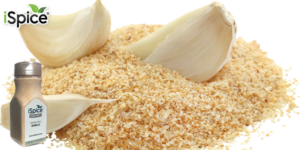
 Garlic is an essential flavoring ingredient that adds a unique and delicious taste to a variety of dishes. Its savory and sulfur-y taste has many health benefits as well. It helps keep your cholesterol levels under control and is a good source of potassium, phosphorus, vitamin C, folate and iron.
There are a number of ways to season your food with garlic, including granulated and powdered forms. They both have varying qualities, so it’s important to know what type you want to use for your dish.
How To Make Granulated Garlic
If you’re looking to turn your favorite roasted or fried dish into a savory one, try grating fresh garlic onto the meat. It’s a great way to get some extra flavor into the meat and will help your dish shine.
You can also use a food processor to make a granulated form of the garlic. Just be sure to pulse the cloves until they are minced. You may need to repeat this process a few times to get the texture you’re after.
The Difference Between Garlic Powder and Garlic Granules
If you like to use a finer consistency of spice, you should opt for garlic powder instead of granules. It’s more consistent in terms of texture and has a longer shelf life than granules, making it a better choice for a recipe that calls for a quick and easy addition to the dish.
It’s also easier to mix with liquids than granules, and it can be used in a variety of dishes. For instance, you can use garlic powder as a substitute for garlic salt in recipes calling for a savory blend of herbs and spices.
The only real difference between granules and powder is their size. The larger granules are coarser and more noticeable, while the finer flakes are more airy and blend with soups and sauces easily.
In the end, it all comes down to personal preference. Both granules and powdered garlic work equally well in a wide range of recipes, so it’s worth trying both out.
Garlic is a heart-healthy vegetable that can reduce the risk of cardiovascular disease by lowering blood pressure and improving your blood flow. It also reduces the buildup of plaque in your arteries that can lead to atherosclerosis. This is because garlic is a natural anti-inflammatory and antibacterial agent, helping to reduce the risk of inflammation in your body.
Another benefit of garlic is its ability to regulate your sugar levels. It reduces your blood glucose and lowers your risk for diabetes. It’s also a moderate source of phosphorus, which boosts your body’s ability to produce DNA and ATP.
If you’re looking for a quick and easy substitute for granulated garlic, try using minced or crushed garlic. This will provide a much more potent flavor and it’s also less likely to clump in soups or sauces than granules.
If you prefer a finer texture and don’t mind adding a little extra work, garlic flakes are an excellent choice. These are thinner and smaller than granules, so they can be used as a 1:1 substitute in a recipe. They’re also great for blending with soups and marinades, but it’s best to use less than the amount of granules called for in the recipe so you don’t overpower other flavors.